Relationship Capital Is Leadership Capital

Commercial real estate has always been an industry built on relationships. Deals move because of trust. Partnerships form because of reputation. Opportunities emerge because someone remembers how you handled a difficult conversation, a challenging project, or a high-pressure situation. Long before a transaction closes or a development breaks ground, credibility is already being assessed through relationships.
And yet, many professionals—particularly earlier in their careers—still view networking as something transactional. An exchange, a room to work, a business card exercise, a place for more senior professionals.
The strongest leaders in commercial real estate understand something much more important: relationship capital is leadership capital.
The most influential people in this industry are rarely the loudest people in the room. They are the people others trust consistently. The people who build strong relationships before they need something. The people who contribute to the industry, support others and establish credibility over time through reliability, professionalism and integrity.
In commercial real estate, technical expertise will open doors. Relationship capital determines how far you go once you walk through them.
That becomes increasingly important as professionals move into leadership positions. Leadership in CRE is not simply about asset performance, operational oversight or deal execution. It is about influence. The ability to align teams, navigate complexity, manage stakeholders and build confidence during periods of pressure or uncertainty. Those skills are deeply relational.
The leaders who create strong teams and sustainable organisations are often the ones who understand that relationships are not separate from performance—they drive performance.
This is particularly important as the industry continues to evolve. Across commercial real estate, organisations are navigating shifting tenant expectations, economic uncertainty, operational pressures and changing workforce dynamics. At the same time, many companies are still working to improve retention and advancement opportunities for women in leadership. Strong professional networks play a critical role in that progress.
Mentorship, sponsorship and industry relationships are not “nice to have” additions to a career. They are often the difference between professionals who remain stagnant and those who continue to grow into leadership opportunities.
There is also an important distinction between networking and community. Networking is often focused on visibility. Community is built through consistency. Community is developed when professionals show up for one another repeatedly over time—sharing knowledge, making introductions, offering perspective and supporting one another through career transitions, leadership challenges and moments of uncertainty. Those relationships create resilience, confidence and long-term industry credibility in ways that transactional networking never will.
Organizations such as CREW Network play an important role in creating those environments. They provide more than professional development opportunities. They create spaces where women in commercial real estate can build meaningful industry relationships, access mentorship and leadership guidance, and develop the confidence that often comes from seeing other women succeed in spaces they aspire to reach themselves.
Strengthen your relationship capital at the CREW Network Convention
Make meaningful connections and build relationships with industry leaders from around the globe.
For emerging leaders, one of the most valuable career strategies is to focus less on “networking” and more on relationship-building. Be the person who follows through. The person who supports others without immediately looking for personal gain. The person who contributes thoughtfully to conversations and consistently demonstrates professionalism, even in smaller interactions that may seem insignificant at the time.
Leadership reputations are rarely built in a single moment. They are built gradually through patterns of behaviour and the quality of relationships developed along the way.
As our industry continues to evolve, relationship capital will only become more important. Markets shift, organisations restructure and opportunities change, but trusted relationships remain one of the few constants professionals can continue to build throughout their careers.
In an industry driven by people, relationships remain one of the most valuable assets any leader can invest in.
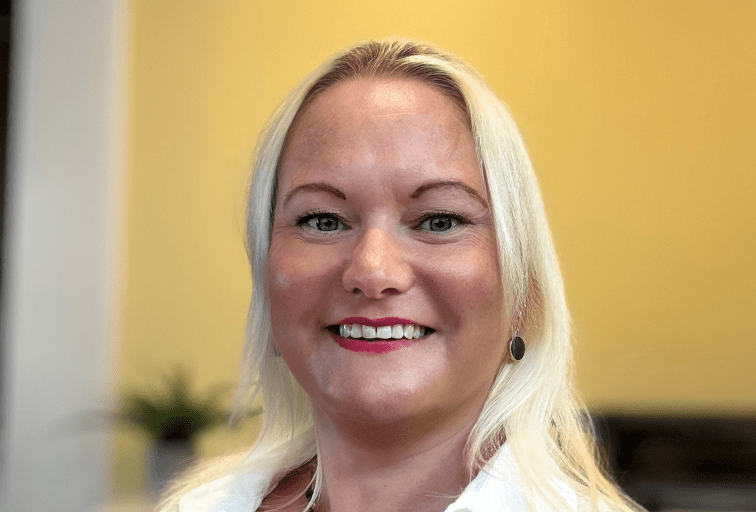
Ellie Hughes, Director of Major Accounts
Ellie Hughes builds strong relationships to drive effective partnerships. As Director of Major Accounts at Waste Logic, a vendor-agnostic managed waste services provider, she brings a unique perspective from her background in law enforcement and enterprise security sales, applying problem-solving skills to help clients manage risk and build smarter, more sustainable waste programs.
Connect on CREWbiz